
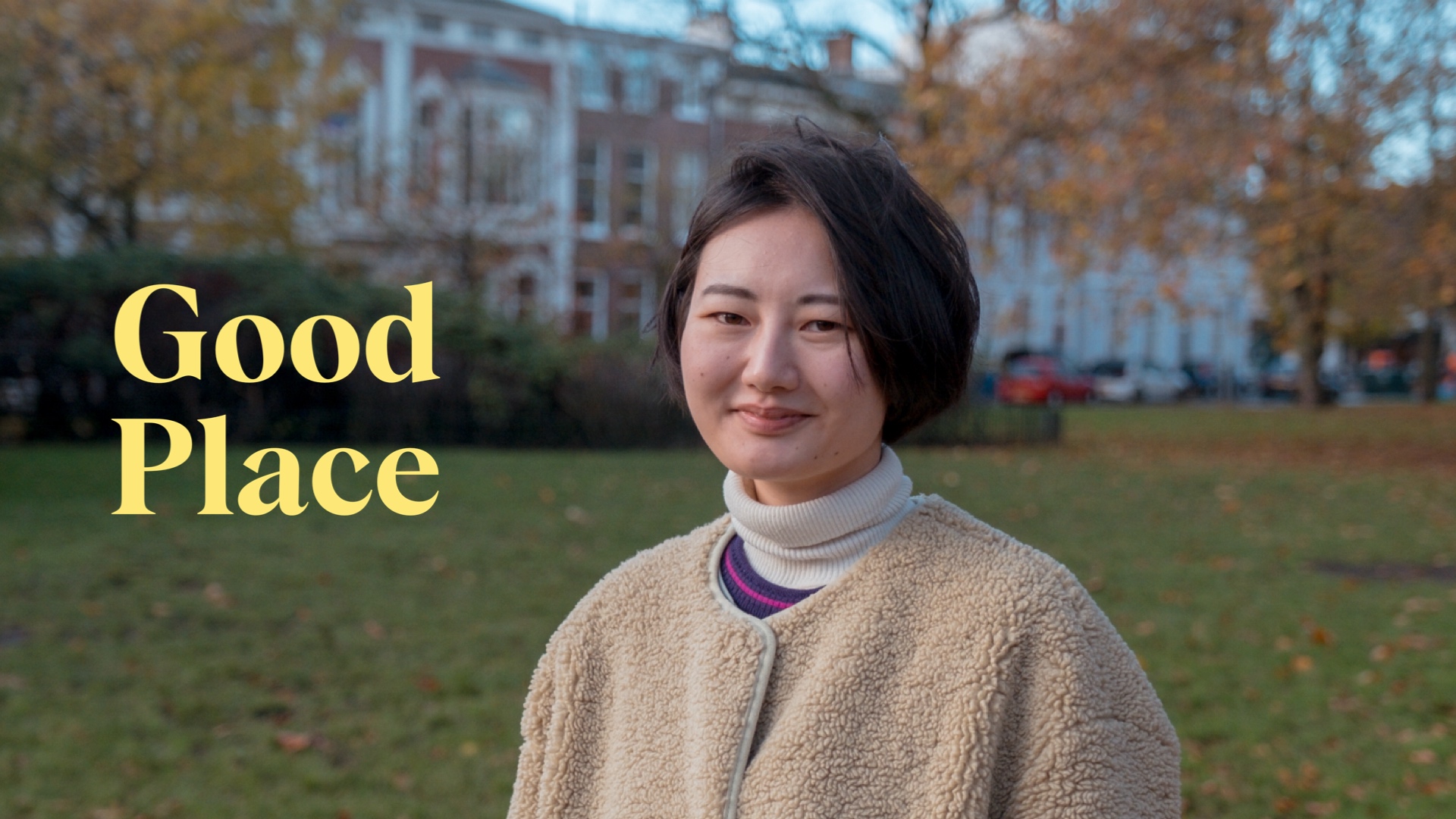
A Japanese former journalist on finding a home in The Hague through a bookstore in Nagasaki, adjusting to Dutch directness, and the push she needed to leave.
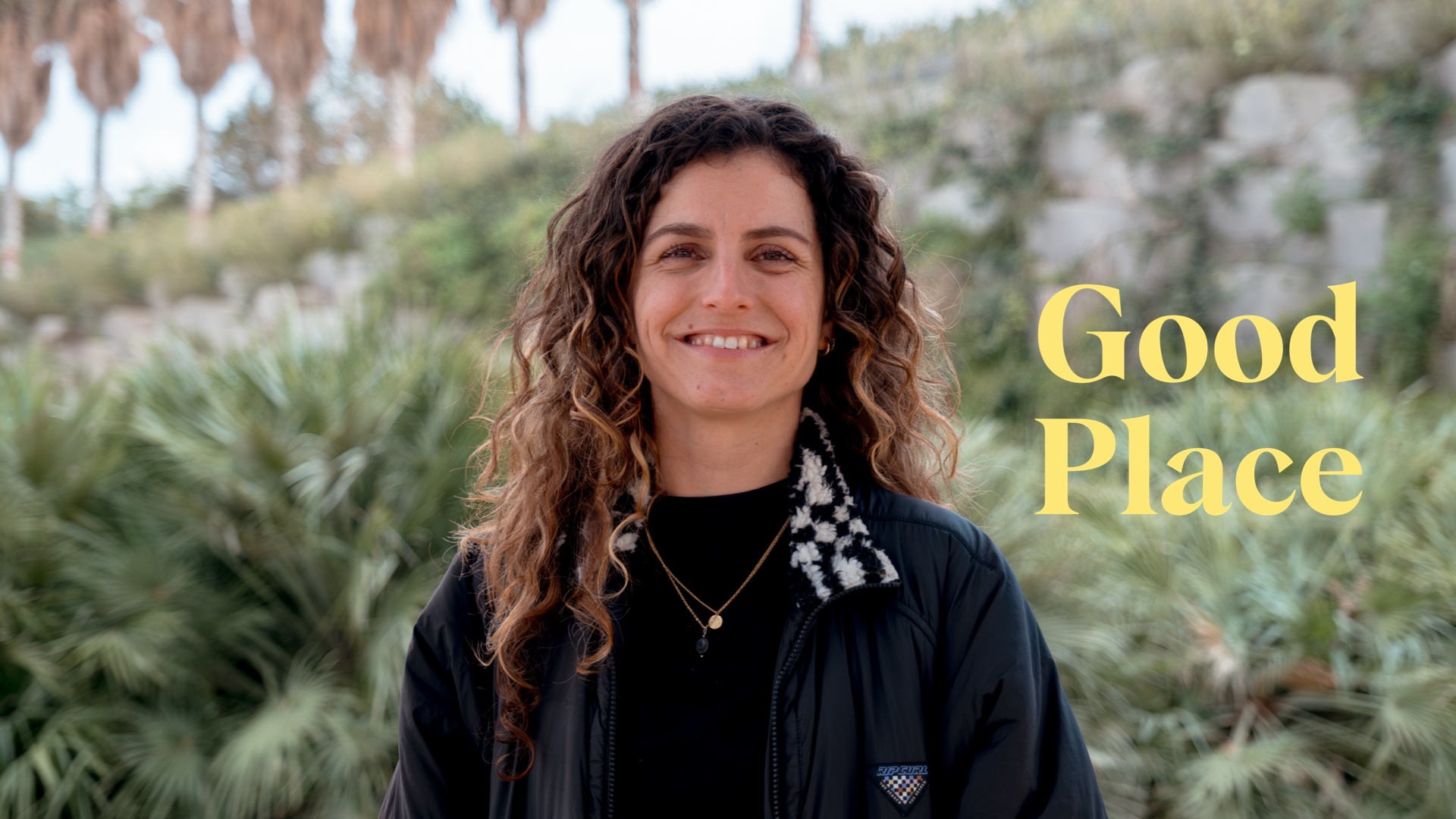
Sayuri was thirty-one, a former journalist for a local Japanese newspaper, and one year into a master's degree in The Hague when we sat on a bench near Holland Spoor. She calls that first year a survival, and the word is not an exaggeration. Her English wasn't good enough to get into the programme at first, she struggled to communicate once she was in, and finding somewhere to live was harder than any of it. She's also, she told me, very happy.
The Dutch link in Nagasaki
Sayuri grew up in Nagasaki, a city with an unusually long connection to the Netherlands. During the Edo period, while Japan's government kept the country closed to most foreigners, it allowed limited trade with the Dutch, who lived on an artificial island in Nagasaki harbour called Dejima. Sugar, coffee and tulips came through. There is still a "Dutch slope" in the city, a hill named for the foreigners who once walked it.
She hadn't met a Dutch person before deciding to come here. But the link made the Netherlands feel less abstract. She'd also studied abroad in Norway as an undergraduate and travelled around Europe afterwards, including a short trip to Amsterdam, where she ate cheese and took pictures of tulips. When she decided to study, the Netherlands' reputation in design, art and media settled it.
A bookstore called Leiden
Her biggest problem was where to live, and here the Nagasaki connection did something practical. A bookstore in Nagasaki is named Leiden, after the Dutch city. She walked in and asked the owner whether he knew any Dutch people. He did. He introduced her to a Dutchman working for the Nagasaki prefecture, and when that man returned to the Netherlands, he stayed in touch, asked whether she'd found a place, and, when she hadn't, introduced her to a friend's family in The Hague.
She lived with them from November until the following July, and then moved into a student house. It was, as I said at the time, a perfect way to land: someone to give you a bed, show you around and acclimatise you. And all of it traced back to a person in a bookshop who said, "Maybe I can introduce you."
What surprised her
Sayuri notices things the rest of us have stopped seeing. The buildings, she said, are low and made of brown brick. The doors are painted in bright colours and well cared for. The streets are very clean, which reminded her of Japan, and quiet. Few people close their curtains, so you can see into the ground-floor homes. She was surprised that people show their lives like that, and a little guilty to realise she was the nosy one standing in front of the window.
She also learned, in a cross-cultural communication course, that her experience wasn't a misunderstanding. Dutch and Japanese communication styles are nearly opposite, and the professor uses them as examples every week. Dutch people say "this is not good" directly, where Japanese speakers go around the point. Dutch people have opinions about everything and say so. She finds it overwhelming at times, and also admires it: everyone, she said, has a good way of expressing themselves.
The food was a smaller revelation. She found Dutch food brown, as brown as the buildings, and her camera roll, once full of architecture, turned to colourful things instead. But she loved the herring, a fish she remembered from home, and her favourite Dutch dish is a pancake with apple and cheese, the sweet and salty mixed, bigger than her face.
Being able to breathe
When I asked her what makes a good place, she gave an honest answer about her own. In Japan she had a family, friends, a job and a city she liked. She was comfortable. But she was also under pressure and not stimulated. When she arrived in the Netherlands, she said, her first thought was "I can breathe here." She felt hope and possibility, and the sense that she could make something.
She told me she didn't yet know her future after graduation, but the uncertainty doesn't scare her. Her life here is, she said, a blank canvas: going from zero to one, then one to two.
A magazine about the Netherlands, for Japan
She's already building something. Sayuri is making a magazine about the Netherlands to publish in Japan, with interviews with artists who live here and a focus on the creative side of the country, not cheese and tulips. The title combines the Japanese word for the Netherlands with the word for research, and she plans to launch it next summer, ideally at the bookstore in Nagasaki that started it all.
Someone who pushes you
Her closing advice was about courage, and it started with her mother. Sayuri had always wanted to live abroad but had settled into life in Japan. During the pandemic, feeling stuck, she called her mother and said she was thinking about going. Her mother encouraged her to go.
She can motivate herself most of the time, she said, but quitting a job and a whole life is a big decision, and at that moment she needed someone to push her. If you need encouragement, find the person who will give it. She is happy she did.
Watch the full conversation on YouTube, or listen on Spotify. Want to go deeper into building your own sense of belonging, wherever you live? The Good Place to Start workbook series walks you through it — get it here.
And you? Who gave you the push to take the step you needed to take?