
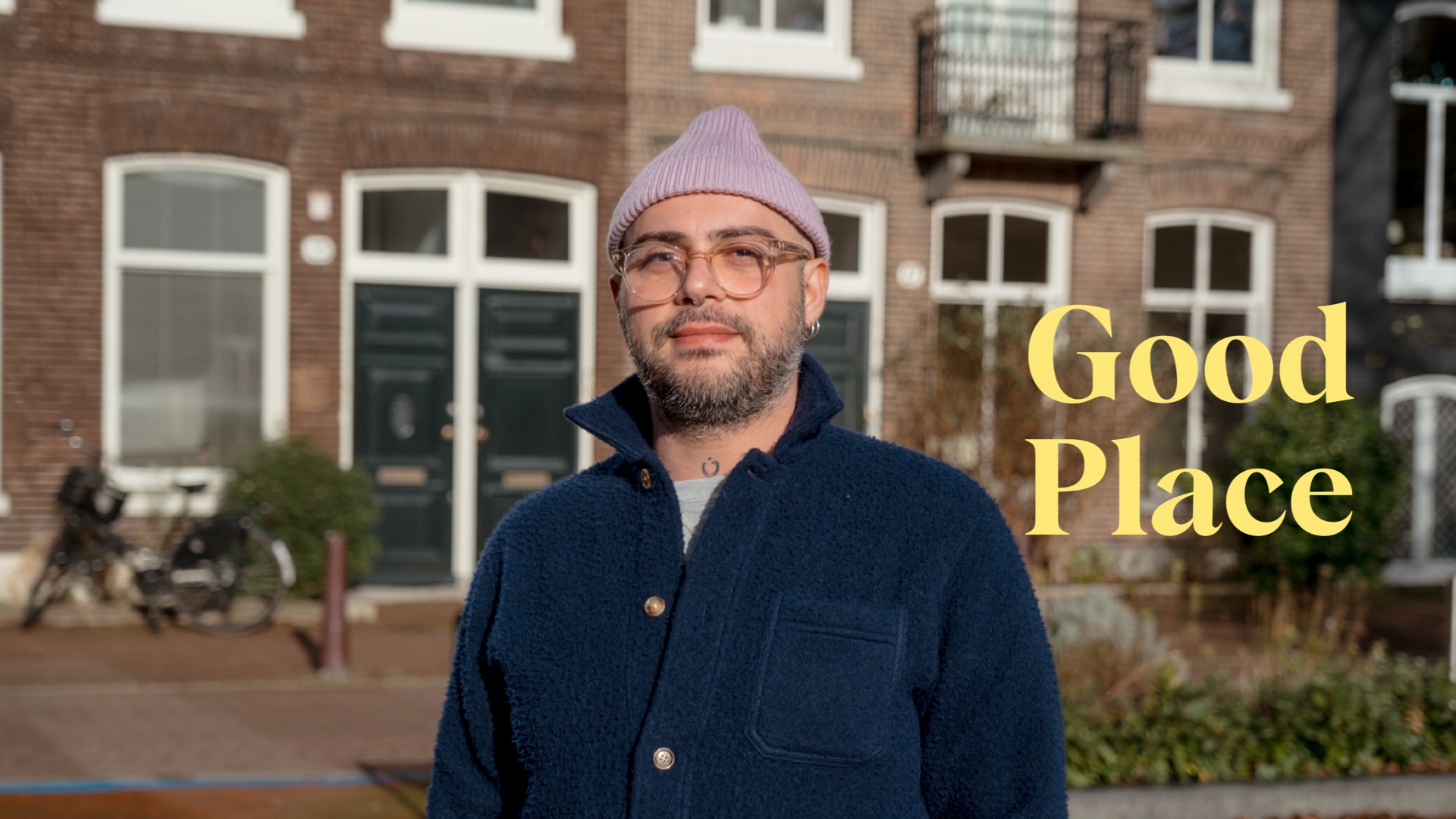
An Armenian-Lebanese chef on cooking as cultural duty, the grief he hasn't finished processing, and why he's the first guest in this series honest enough to say he isn't okay.
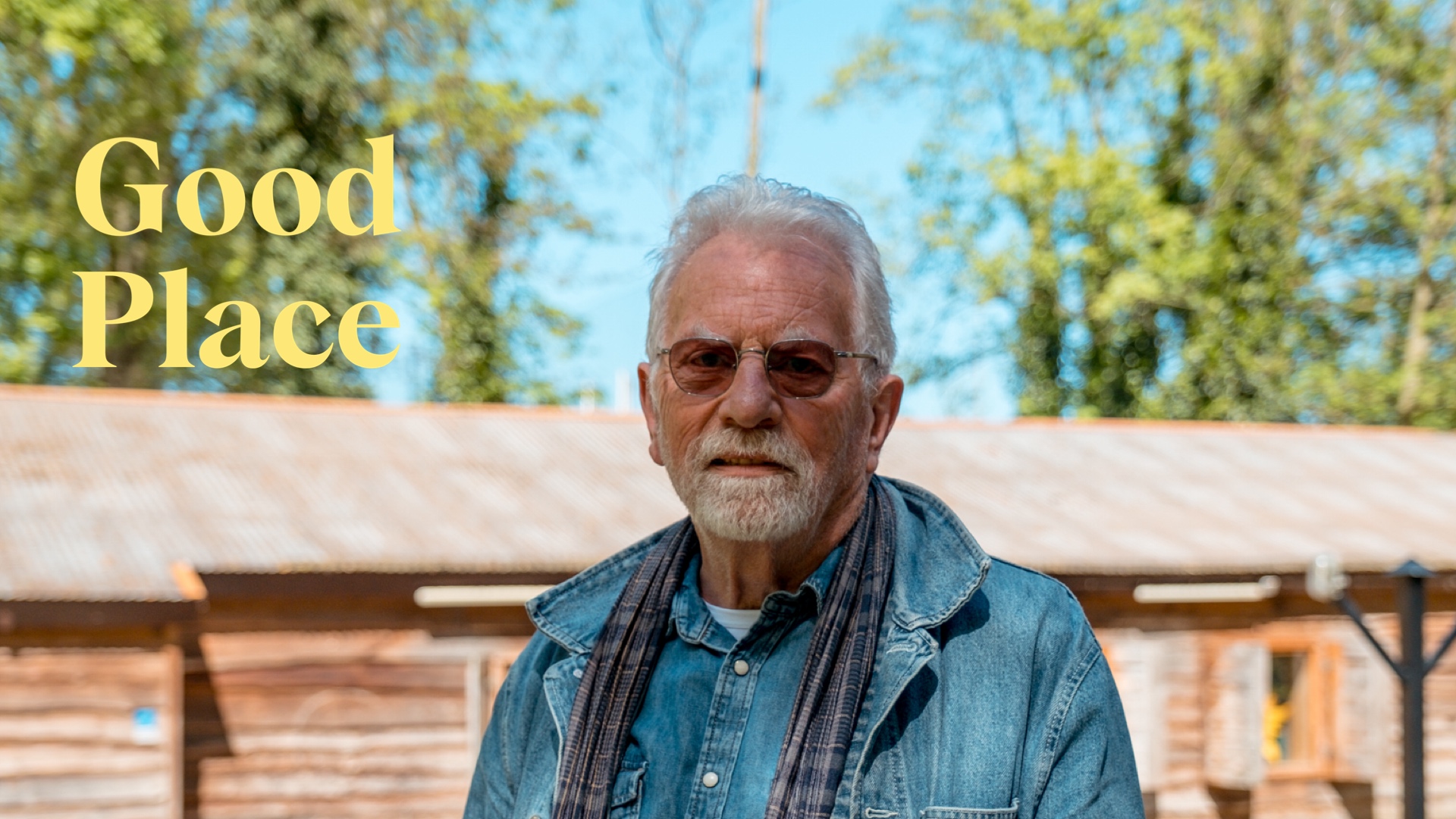
Garo Feslian is Armenian, born and raised in Lebanon, and has lived in Amsterdam for six years, after a masters in food design in Brussels. He's a chef by training and, increasingly, something closer to a cultural translator by vocation, putting his background, as he puts it, on the table. When I asked, toward the end of our conversation, whether he was in a good place, he gave an answer no one else in this series had given outright: no.
Food as inherited duty
Garo trained as a chef before moving into food design, and the thread connecting both is a deliberate act of representation. Lebanon has collapsed economically in the years since he left, badly enough that his father, when asked how things are, now says simply, "we're surviving." Garo carries that at a remove, close enough to feel it, far enough that he can't claim to have lived it, a gap he described as its own kind of pain, suffering by proxy, with none of the legitimacy of the real thing attached.
His response has been to treat cooking as a form of cultural stewardship. Every recipe, he said, carries a story, a village's particular version of a dish, an ingredient choice shaped by poverty or geography centuries ago. He has no patience for arguments over which country invented hummus. What interests him is why a cuisine developed the way it did, who grew what, who could only afford what, and he builds that history, consciously, into the shared-table dinners he designs, deliberately long tables, home-baked bread torn by hand at the start of a meal because breaking bread together is itself the point.
A tiny house, a pandemic, and a winter that broke something open
During the pandemic, with his art-gallery-and-restaurant job gone and savings disappearing, Garo moved into a tiny house in a Dutch forest for two and a half years, eventually joining a psychedelic retreat as head chef and experience designer, serving institutes running three- to five-day therapy sessions using food foraged from an eight-hundred-acre forest and his own regenerative garden. He doesn't regret a minute of it. He also doesn't pretend the winters were survivable without cost: four o'clock darkness, no social life for someone whose entire personality runs on hospitality and connection, a depression he names plainly as exactly that. This past winter, he moved back to Amsterdam, and he's still working out the balance between forest and city, with a probable third location, Italy, pulling at him too, a place that felt, in his words, like home at first sight, the same Mediterranean light and volcanic soil he grew up with.
The honesty nobody else offered
Most guests on this bench, when asked if they're in a good place, answer yes, sometimes instantly, sometimes after a pause. Garo didn't. This past New Year's Eve marked the tenth anniversary of his mother's death, and he's only now recognizing how much of what holds him back traces back to grief he never fully processed. He named it as a bag that needs opening and examining, and admitted plainly that starting that work is frightening enough that he hasn't yet.
What he offered instead of false resolution was precision about what's actually true: he has the tools to get to a good place, he knows roughly which direction that work needs to go, but he isn't there yet. It's a harder thing to say out loud than a confident yes, and it landed as the most honest moment of the conversation precisely because it refused the easy version.
What money steals from a dream
Garo was candid about the particular humiliation of taking work beneath your training to survive, something he's done more than once since the pandemic, and about how it feels less like resilience than like betrayal of his own ambition, pausing a dream rather than pursuing it. He floated a thought he said recurs to him at night: how much further any of us would get if survival itself weren't a financial burden, how many projects die quietly because funding them means first working an unrelated job to afford the attempt.
He caught himself mid-thought, though, with something close to self-correction. Back home, he said, people have stopped having the concept of a dream at all; survival has eaten the category entirely. Measured against that, having the freedom to design a dream, however financially constrained, is its own kind of privilege, one he tries to hold onto gratitude for even while naming its limits honestly.
Intention, inherited from his mother
Garo's closing image was the gentlest part of the conversation. Before making anything, a cake, a meal, his mother used to set an intention, who it was for, what it was meant to carry. He does the same now, and he's learned to notice when his own mood has entered the food: a dish he makes daily sometimes simply doesn't work on a bad day, and when that happens, he doesn't force it. He tries again tomorrow instead.
He left me with a line from Brillat-Savarin rather than one of his own: tell me what you eat, and I'll tell you who you are. It's a fitting closing thought from someone who has spent years building entire dinners as an argument that food, shared properly, can hold grief, geography, memory and hospitality all on the same plate, even when, by his own honest account, he's still working out how to hold all of that in himself.
Watch the full conversation on YouTube, or listen on Spotify. Want to go deeper into building your own sense of belonging, wherever you live? The Good Place to Start workbook series walks you through it — get it here.
And you? If someone asked you right now, would your honest answer be yes?