
A German criminal-defence lawyer, six weeks into The Hague, on leaving a profession that never fit, a home that works like a fortress, and the freedom of a place where nobody knows your story.
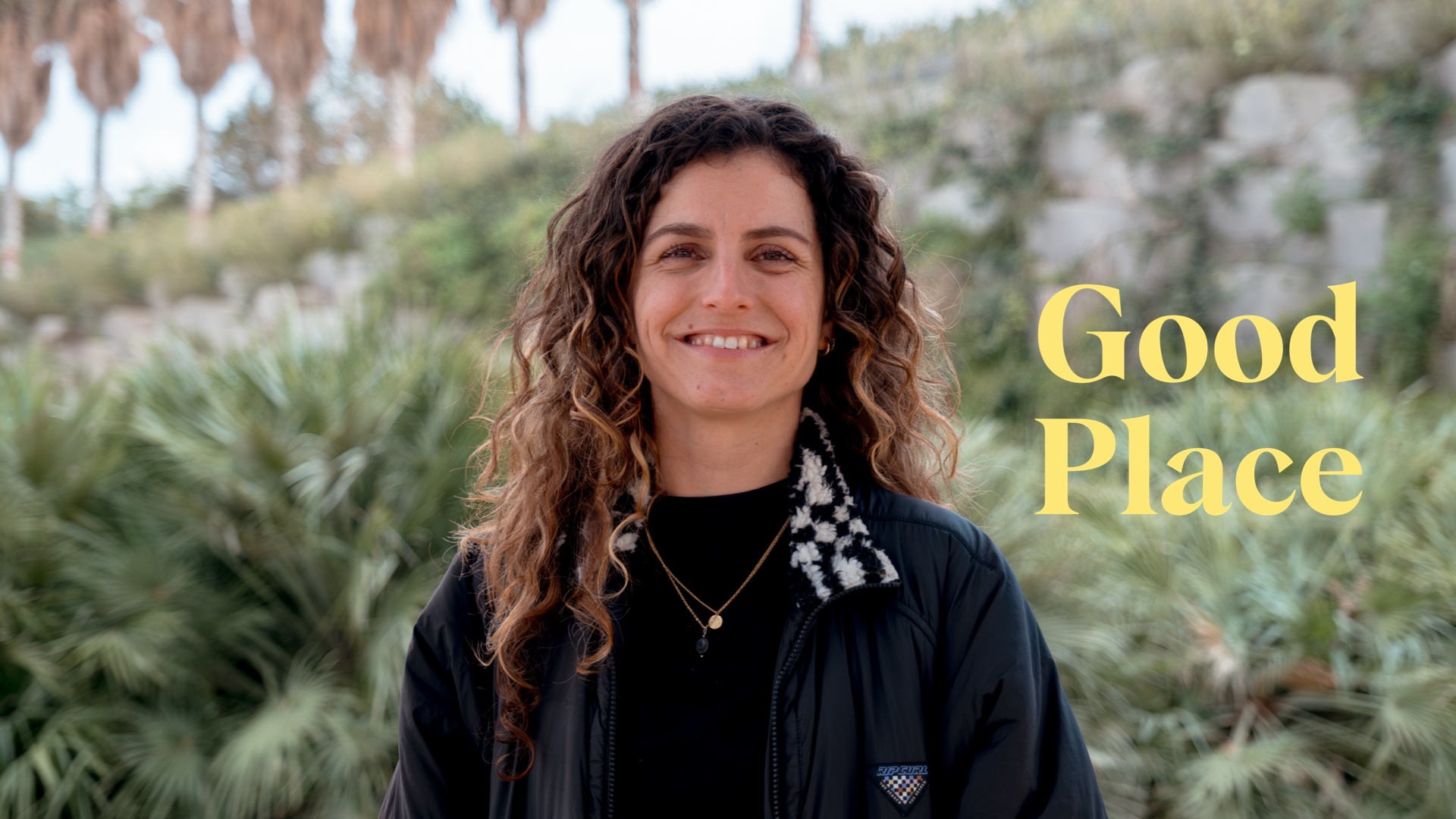
Lea was six weeks into The Hague when we sat on a bench in the rain, wearing the same hat she says she hasn't taken off since she arrived. She's almost thirty-seven, she moved here with her husband Oscar and two very old dogs, and she told me that if I'd asked whether she was in a good place five weeks earlier, she wouldn't have been sure. Now she is, and the surprise is how quickly it happened.
A city she said she'd never live in
The move began with a to-do list, as Lea describes it, in the manner of good Germans. Both she and Oscar, a teacher who grew up all over the world as a missionary's child, wanted to live abroad. Lea had grown up in Berlin and never lived anywhere else. She wanted somewhere reachable by train, so the dogs wouldn't have to fly. France was out, since Oscar refused to learn French. England was too hard after Brexit. They visited Leiden at Easter and liked it, and that autumn they started looking for flats anywhere in the Netherlands.
"Anywhere but The Hague," Lea told Oscar, because her only visit had been in the rain, with a terrible hotel. Two months of searching later, she had a feeling they'd end up there anyway. They did. Finding the flat was hard: landlords turned down two old dogs, and as a self-employed lawyer allowed to practise only in Germany, she had no Dutch income to show. They weren't picky, and found a beautiful place, with a lease of at least two years.
A fortress, built piece by piece
Lea's Instagram is about interiors, which surprised me, given that she's a lawyer. For her, the home is essential. When her life went through a difficult patch a year and a half earlier, it was the one place she could relax, and when she moved, she made sure the flat was ready quickly. "It's like my fortress somehow," she said. She finds things she loves, they're usually too expensive, and Oscar builds them. He doesn't care much about the furniture, she says, but he enjoys the making. He takes requests, about once a year.
Nobody knows your story
What she hadn't expected was how much of a clean slate it would feel like. In Frankfurt she'd lived and worked in the same house in the city centre, and clients would turn up at her door. Here, she said, she can just be Lea, instead of "Lea, can you help me, I have a problem". Being six weeks old in the city, as she put it, is its own relief.
The career that never fit
Lea's route into law was an accident. She left home at sixteen and worked her way through school. She started studying economics but was thrown out after the first semester, because she was bad at maths. She moved to law, expecting to be thrown out of that too, and never was. After finishing, she quit her internship after three months, worked at Starbucks in Berlin for two years, then four years for the government acquiring small pieces of land. She decided that if she was going to do that for forty years she would jump out of a window, went back, finished her legal training, and barely passed. Her best subject was criminal law, so she became a criminal defence attorney.
It never felt right. She's an introvert hiding as an extrovert, and going to court, with clients' freedom depending on her performance, brought a pressure she couldn't shake. She stuck it out for years, shared an office with her brother, and proved to herself that she could do it. Now that she has, she doesn't need it. The part she enjoyed most was listening to people and helping them on a psychological level, so she's considering coaching, and she's curious about the creative side she had when she was younger: photography, painting, ceramics. She'd also like a job in a café, to meet people and learn Dutch. She worked at Starbucks for two years, and, she told me, quite enjoyed it.
Making friends again
Lea had forgotten how to make friends. For six years she'd worked alone, and most of her friends live in Berlin. In The Hague, she's been talking to people on the street about dogs, swapping numbers and meeting for coffee. She joined the photography group we're both part of for a photo walk. It was well outside her comfort zone, she said, and she's glad she went. She met a woman there, then went to her house party and met other people. "It showed me again that it's good to push yourself," she said. Moving abroad felt easy looking back, but it was a big push.
Why wait?
Lea's friends tell her they'd move too if they didn't have kids, or when they're seventy. She asked: why wait? Why wait until you're too old, or have a good pension, which you might not? She also described the pre-programmed path that most of us follow: school, job, house, tree, child, and then what? She isn't sure she'd have broken out of it without Oscar, who made it seem easy, because he'd done it so many times. She also knows it's easier with a partner, financially and emotionally, as her sister says.
Her honest answer to the good-place question was yes. After six weeks, she feels a little at home, something she'd longed for. She used to say to Oscar that he was her home. That's romantic, she said, but now she feels it about a place. She also left me with a thank-you: this isn't a question you ask yourself every day, and the conversation reminded her how she feels.
Watch the full conversation on YouTube, or listen on Spotify. Want to go deeper into building your own sense of belonging, wherever you live? The Good Place to Start workbook series walks you through it — get it here.
And you? What are you waiting for, and what would it take to start before you're seventy?