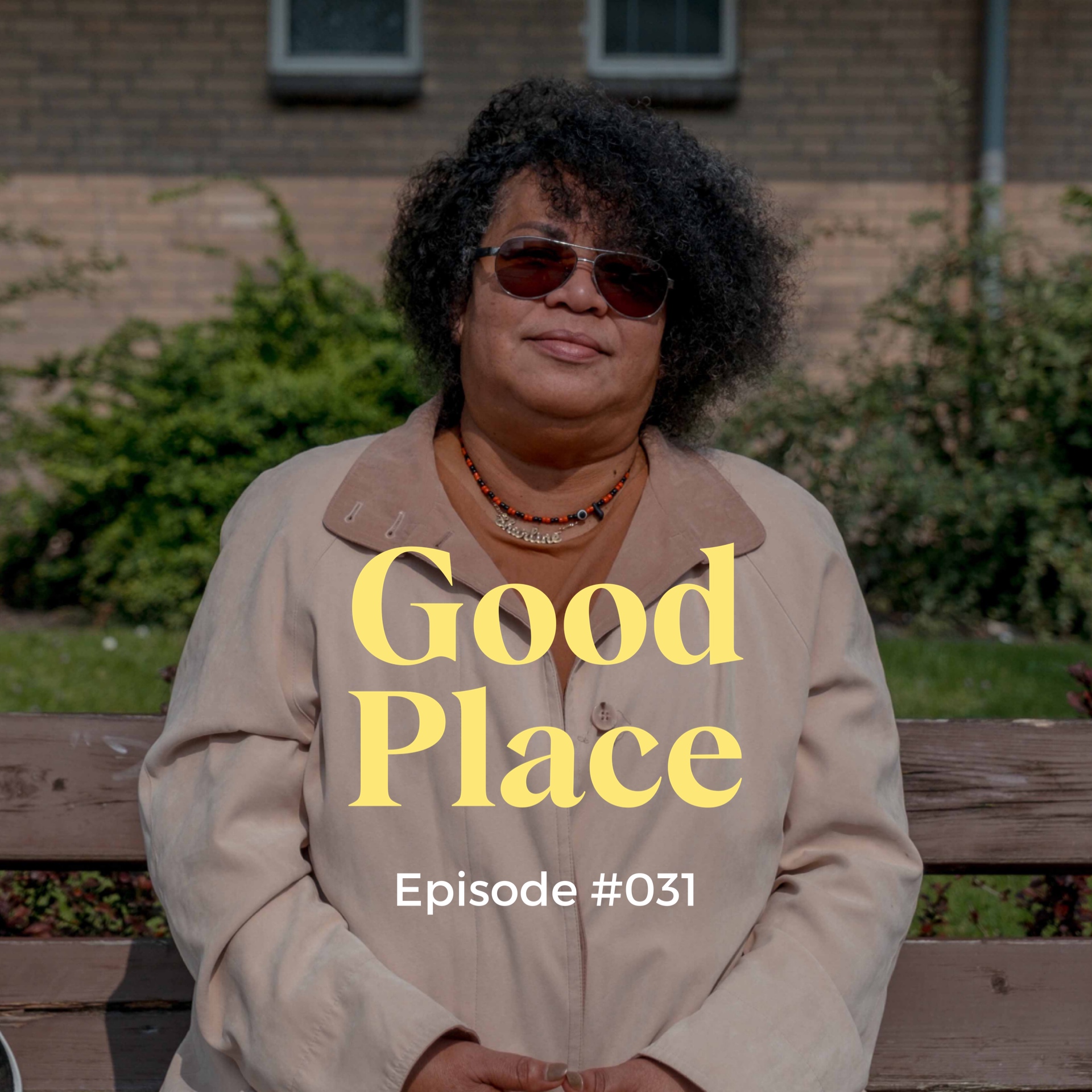
A Curaçao-born accountant on freedom as a good place, a foundation that brings lonely people together, and a play about scams she has performed ninety-six times in six months.
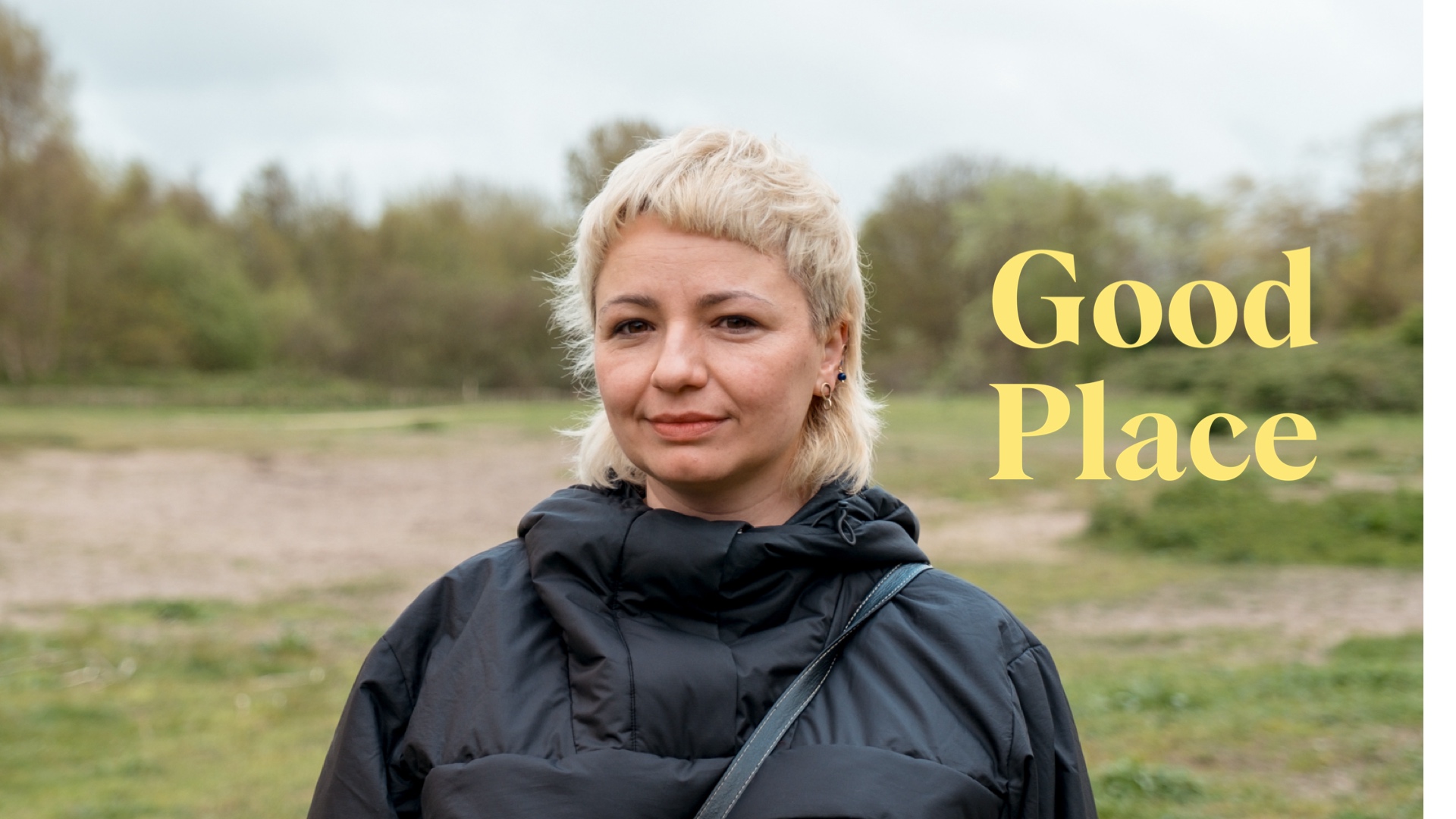
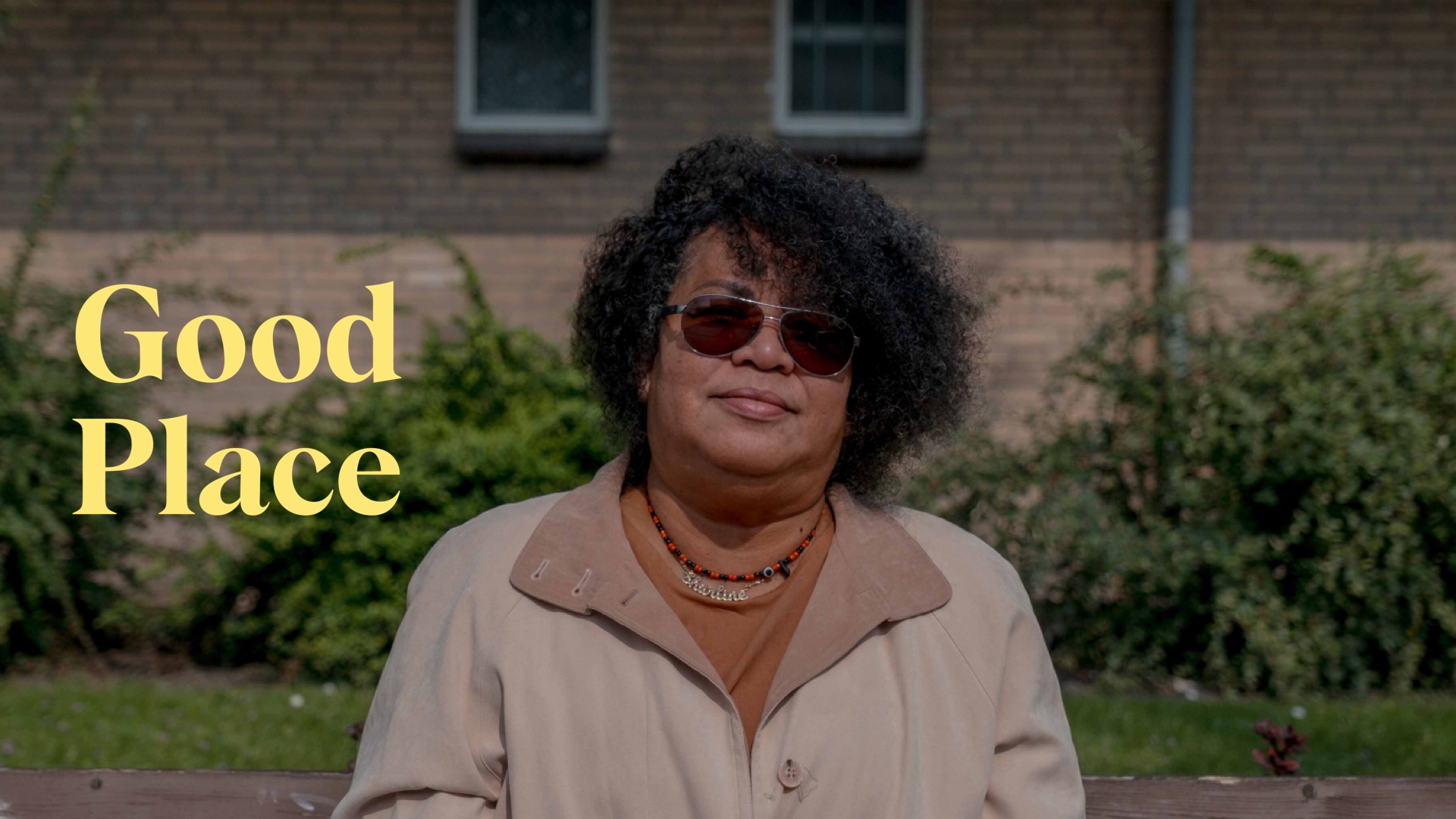
We recorded this one in Loosduinen, a part of The Hague that Sharline says is quiet and peaceful, though not during our recording, thanks to the supermarket nearby, bicycles, scooters and passers-by saying hello into the camera. She was born on Curaçao, in the Caribbean, and has lived here "a long, long time", a number she refuses to share because "people are going to do the math".
Too small an island
Love brought her to the Netherlands, she said, and she's happily married now to a Dutchman who works for the government, "because someone has to bring food to the table, and that's not me". They own a house in Loosduinen. When I asked whether Loosduinen is really part of The Hague, as some residents dispute, she told me it was a small village that was too small to survive on its own, so The Hague took it in. For her, they come together, happily.
I asked why she left Curaçao if it's the best place she's lived. It was too small, she said. Everyone lives with everyone, there's no war, there's no problem, and she loves that peace. But she wanted to expand, to see and know other people and countries. Her mother is from Bonaire and her father from Aruba, so she can always visit the other islands, but she wanted Europe. Tomorrow, she said, she might go to Sweden. She can go anywhere she wants.
Freedom, and the work that comes with it
When I asked what makes a good place, her answer was one word: freedom. A good place is somewhere you can stand where you want and do what you want, without restriction. That includes work: she's an accountant for three large companies, with a studio of her own, and she values being able to work where she wants. "I can do what I want," she said, "but I'm still married."
The Caribbean Angels
The part she lit up about was her foundation, the Caribbean Angels. It works for and with people, especially lonely people who don't know how to express themselves, and one of its main aims is to help them meet each other. It isn't only for Caribbean people or the elderly. She's currently working with a group of Chinese residents, helping them fill in forms and talk to officials, since many don't speak the language well. She owns the foundation with four other women, and puts in about ten to fifteen hours a week. A municipality and other foundations contribute funding.
A play ninety-six times
The foundation's signature approach is theatre. Sharline's group stages plays on topics that matter to the community, and only after asking people what they need. One is about crime at your front door: the tricks that fraudsters use to get money out of both elderly and young people, and what to look out for. She's performed it ninety-six times in under six months, each session two to three hours, always starting in Loosduinen and spreading from there across The Hague. Another project is about slavery, which she pointed out isn't only history: it still happens, including the trafficking of young women. She is proud that a much bigger foundation has copied the model. When they copy you, she said, you know you've done a good job.
Help yourself first
Why does she do it? "I like to help people. I like to see people happy." People shouldn't be stuck inside the home, doing nothing. But she says the best moment is when people can do it without help, and that it goes both ways: those she helps also help the foundation find more people who need it.
Her closing words were about peace of mind. Stop fighting, she said, and talk to each other, because fighting never brings peace. A good place starts with yourself: if you have an open mind and respect for others, everything else will be good.
Watch the full conversation on YouTube, or listen on Spotify. Want to go deeper into building your own sense of belonging, wherever you live? The guided Find Your Good Place series walks you through it: get it here.
And you? What would you do with ten hours a week for your neighbourhood?